Trends Reshaping the Global Spice Trade in 2024–2025
The global spice market — valued at over USD 21 billion and projected to surpass USD 30 billion by 2030 — is undergoing its most significant structural shift in decades. For B2B buyers and Pakistani exporters alike, understanding these trends is no longer optional; it is a commercial imperative.
1. Origin Certification Is Now a Purchase Prerequisite
European and North American importers are increasingly demanding GPS-traced, farm-of-origin documentation for every spice consignment. This shift is driven partly by regulation (the EU's upcoming Deforestation Regulation and tightened MRL standards) and partly by consumer brand pressure — supermarket chains now require supply chain transparency in their own audits. Pakistan, with its established spice-growing belts in Sindh and Punjab, is uniquely positioned to meet this demand if exporters invest in traceability infrastructure.
2. Climate Volatility Is Compressing Supply Windows
Irregular monsoon patterns in 2023 and 2024 disrupted cumin and red chili harvests across South Asia. This created significant price volatility and, critically, pushed serious buyers toward long-term supply agreements over spot purchasing. Exporters with pre-arranged farm contracts and reliable inventory pipelines captured outsized market share during these disruptions.
3. The Private Label Spice Opportunity Is Expanding
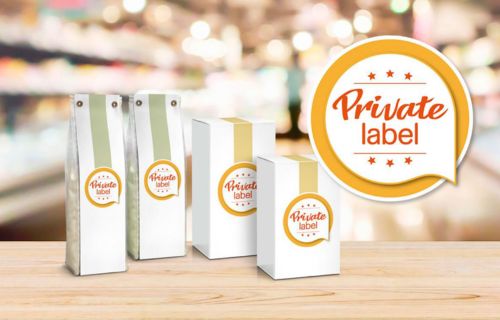
Private label food products now account for 30–35% of European supermarket revenue, and spices are one of the fastest-growing private label categories. This creates a direct opportunity for Pakistani exporters with blending and packaging capabilities to move up the value chain — from commodity bulk supply to finished, branded goods at significantly better margins.
4. Regulatory Compliance Is a Competitive Differentiator
The EU's 2024 updates to Maximum Residue Level (MRL) regulations for pesticide residues in imported spices have effectively raised the compliance bar. Exporters who cannot provide third-party laboratory test reports for pesticide residues, heavy metals, and microbial contamination are increasingly being rejected at EU customs — not just penalized, but blacklisted by buyers. Certification and lab-testing infrastructure is no longer a cost center; it is a market access tool.
Key Takeaways for B2B Buyers
- Prioritize suppliers with documented farm-to-port traceability systems
- Request third-party lab reports (ISO 17025 accredited labs) as standard
- Explore long-term supply agreements to hedge against climate-driven price volatility
- Consider private label partnerships with established Pakistani blenders
At IHN Foods, we have invested in exactly these capabilities — GPS-traced sourcing, third-party QA, and full OEM/private label production. Contact our trade desk to discuss how we can support your sourcing strategy for 2025.